




Winter camping :
how to prepare for a pleasant experience
Winter camping is a unique adventure that lets you reconnect with nature while enjoying the beauty of a winter landscape.
It has many benefits: away from the summer heat and crowds, you’ll discover simpler places and enjoy a more authentic, rejuvenating experience.
However, winter camping requires careful preparation to ensure safety and comfort.
In this article, we give you some essential tips for a pleasant winter holiday. You’ll find out what equipment you need to pack and what tips you shouldn’t overlook. Of course, these tips apply especially to adventurers who set off to pitch their tents in the wilderness (where permitted, of course).
But winter camping can also be done in cosier accommodation, such as a year-round campsite. And our tips will still come in handy, if only for your hikes and other escapades.
Winter camping essentials
1. A winter tent
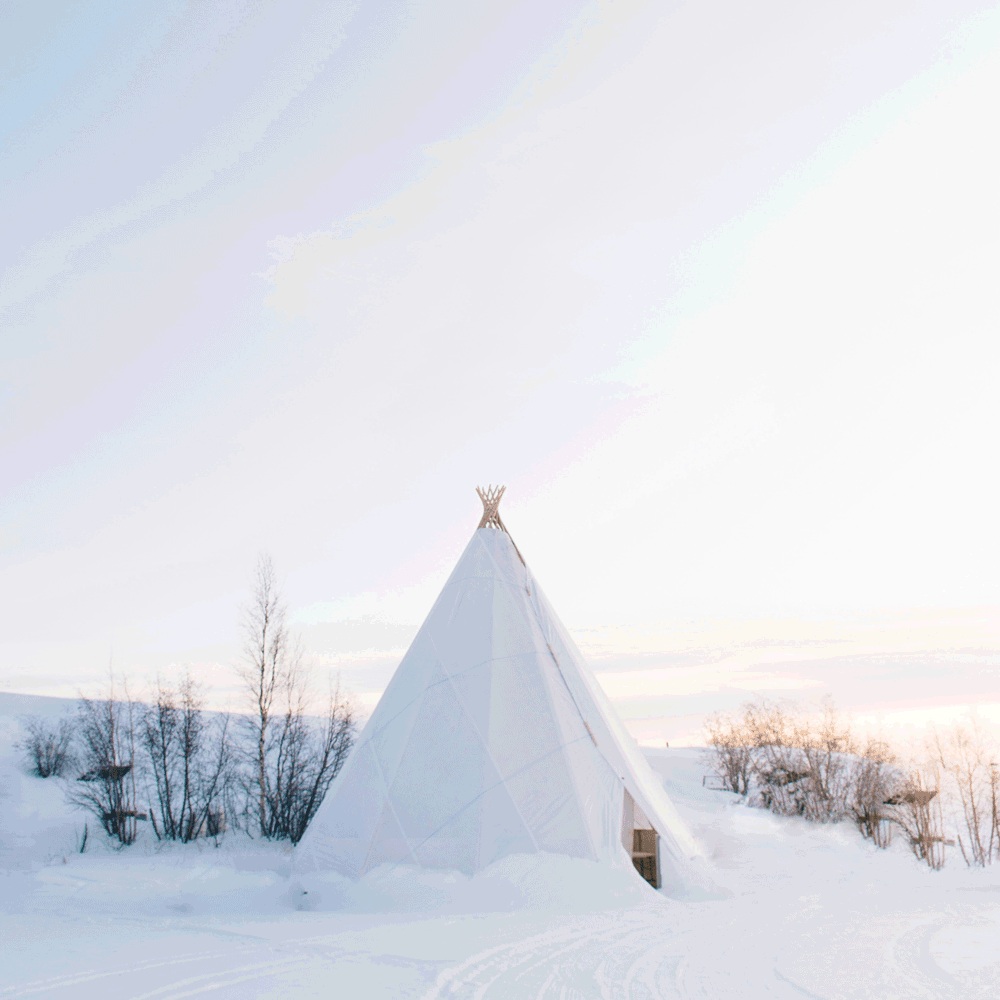
Your tent is your first line of defense against the elements. Choose a model specially designed for winter, capable of withstanding high winds and snowfall. Make sure your tent has a good ventilation system to avoid condensation inside.
2. A warm sleeping bag
To spend comfortable nights, it’s crucial to have a sleeping bag with a temperature rating that’s appropriate for the expected conditions. A three-season sleeping bag or even a winter model, with a lower temperature rating than you expect, is ideal.
3. A survival blanket
As some campers agree, a good tent and sleeping bag are not always enough to keep out the damp. The trick: put a survival blanket under your tent.
4. A comfortable, insulating mattress
Another piece of equipment that insulates you from the ground is a thermal insulation mattress. Some are very thin, inflatable and take up very little space. A big plus for comfort.
? One of the latest trends is the roof tent for cars. They unfold easily and raise the tent off the ground in winter. Some brands produce 100% French models, designed with recyclable products in mind.
5. Warm, waterproof clothing
Layering is the key to staying warm. Include thermal underwear, insulating mid-layers and an outer layer.
The three-layer rule is particularly effective:
- a base layer to wick away perspiration, in polyester or merino wool, no cotton;
- an insulating middle layer (fleece, down jacket or wool) to retain heat;
- an outer layer, waterproof and windproof, to protect you from the elements.
To protect your extremities, add gloves, a hat, thermal socks (wool or synthetic fibers) and insulating footwear. Your feet will be the most exposed to the cold and damp. Choose hiking boots or shoes that are insulated, waterproof and designed to provide good support.
6. Flashlight or headlamp
Winter nights are long and dark. Bring a reliable flashlight and spare batteries to light your camp and help you navigate at night.
7. A first-aid kit
To cover all eventualities, take along a first-aid kit complete with bandages, antiseptics, compresses and painkillers. And don’t forget a second survival blanket (see point 3) in case of trouble, while you wait for help to arrive.
8. A waterproof bag
A waterproof bag is indispensable for protecting your sensitive belongings, such as a change of clothes, electronic devices or documents, in the event of heavy rain or persistent humidity. It’s particularly useful for water sports or in the snow.
9. Food and hot drinks
There’s nothing like a good meal to warm you up. Include easy-to-prepare foods such as packet soups, freeze-dried meals and energy-rich snacks. Hot beverages such as tea, hot chocolate or broths will also be much appreciated. For a short, one-day getaway, think thermos!
10. Stove and fuel
For longer stays, a portable stove with sufficient fuel is essential for preparing hot meals and drinks. Be sure to use it in a well-ventilated area to avoid the risk of poisoning.
? Bonus tip: take a flint in case your stove runs out, and a hot-water bottle to fill with hot water, so pleasant at bedtime!
11. Map and compass
Even if you’re using a GPS, it’s always a good idea to have traditional tools like a topographical map and a compass. This will help you find your way in case of connection or battery problems.
12. A solar battery charger
Last but not least, if you want to be self-sufficient when camping in winter, remember to pack a solar-powered battery. This will enable you to recharge your essential devices, such as your phone or flashlight, even in the wilderness. Choose a compact, efficient model, adapted to winter conditions.
Winter camping in comfort
If you prefer more comfortable accommodation with less exposure to the elements, our La Clape Village campsite in Agde opens some of its mobile homes by the sea in winter.

The perfect balance between comfort and outdoor escape, seaview cottages invite you to enjoy a memorable vacation, whether as a couple or a family. These elegant accommodations combine modernity and conviviality, offering panoramic sea views and direct access to the beach.
Designed with your well-being in mind, they feature premium amenities such as a whirlpool bath for moments of total relaxation, and a terrace facing the sea, ideal for making the most of every moment set against an exceptional backdrop.
?️ Read also: Glamping, more than luxury, an experience!
Additional tips for winter camping
- To make sure you don’t forget anything, make a checklist! There are free apps for writing down and checking off the items you need to pack as you go along.
- There aren’t many campsites open in winter. If you’re more into camping accommodation than wilderness camping, choose one with winter-friendly facilities. Campsites with heated bathrooms, communal kitchens and games rooms can make your stay more comfortable.
- Book your pitch in advance: pitches can fill up quickly, especially at weekends or during vacations.
- Arrive early! This will give you time to set up your camp in daylight, which is particularly important when pitching a tent in cold weather.
- Be prepared for changing weather conditions. Winter weather can change rapidly: keep up to date with the forecast and adapt accordingly.
- Stay hydrated. Cold air can dehydrate as much as hot air, so drink enough water.
- Exercise: exercise helps maintain a stable body temperature and prevent hypothermia.
- Make the most of your time! Winter camping is a unique opportunity for outdoor adventure. Take the time to enjoy the peace and quiet, the beauty of the landscape and the moments of relaxation.
By following these tips, you’ll be able to enjoy your winter camping experience to the full, while staying safe and comfortable. Remember, preparation is the key to a successful adventure.