



Sustainable tourism: a new model for responsible travel in France
Sustainable tourism is a way of traveling that respects theenvironment and local populations.
Its objective is clear: to enable tourism development without compromising natural resources or local quality of life. This model is based on the principles of sustainable development: environmental, economic and social.
In France, this form of responsible tourism is attracting more and more travelers. Families, couples and friends are looking for holidays where relaxation, comfort and respect for nature come together in harmony. Staying at a wilderness or eco-friendly campsite is a perfect example of this approach: enjoy the land without damaging it.
Key points to remember
- Sustainable tourism aims to preserve the environment while supporting local stakeholders.
- It is based on three pillars: ecology, local economy and social ties.
- In France, many regions are developing eco-responsible initiatives.
- Travelers can take action through simple gestures: transport, accommodation, food.
- Eco-responsible tourism is a powerful lever for balanced development.
- Nature campsites and cottages embody this new way of traveling.
A more respectful and balanced way to travel
Sustainable tourism or eco-responsible tourism offers a different way of discovering the world. It focuses on the quality of the experience rather than the quantity of destinations.
This approach invites us to slow down, reconnect with nature and give meaning to our vacations.
Travelling differently in a world in transition
Ecological travel means rethinking our place in the world of tourism. It involves simple gestures: reducing waste, limiting pollution, saving water and energy.
It’s also a way of supporting French tourism players (craftsmen, restaurateurs, accommodation providers) who play an active role in regional development.
Tourism focused on responsibility and human ties
Responsible travel emphasizes encounters, respect and discovery. It values local initiatives and encourages a balanced relationship between visitors and locals.
Every choice, from transport to accommodation, contributes to sustainable tourism that benefits the environment and communities.
Why sustainable tourism is becoming a global priority
Throughout the world, tourism is an essential economic driver, but it also has a heavy impact on the environment. Transportation, energy consumption and excessive visitor numbers are weakening ecosystems.
Sustainable development at the heart of tourism in France
Faced with these challenges, eco-tourism is emerging as a concrete solution. It encourages sobriety and the enhancement of territories.
In France, this movement is supported by environmental associations and European labels.
According to a study by ADEME, in 2022 the tourism sector in France emitted 97 million tonnes of CO₂, or 11% of the country’s greenhouse gas (GHG) emissions. The aim is to achieve a 40-50% reduction in these emissions by 2030. Changes to the means of transport used by tourists and the development of more local tourism are priority areas.
The role of institutions in sustainable tourism
French and European institutions provide a framework for eco-responsible tourism through the European Tourism Code, the rational management of resources and support for accredited accommodation.
Sustainable tourism in France: concrete initiatives
Sustainable tourism in France is based on local initiatives by local authorities, businesses and associations. Each tourist region adapts to its specific characteristics to preserve its landscapes and encourage responsible development.
French regions committed to the transition
- Auvergne: creation of sustainably-maintained hiking itineraries, such as the Tour des Lacs d’Auvergne; more eco-friendly spa treatments at La Bourboule and accommodation that blends into the landscape.
- Brittany: protecting the coastline along the Sentier des Douaniers (GR34), developing eco-labeled accommodation and raising awareness of marine waste management.
- Landes: sustainable forest and coastal management, biodiversity education and wetlands development in the Landes de Gascogne Regional Nature Park.
- Alps: transition of mountain resorts such as Les Gets and Chamonix, development of four-season tourism, improving the energy performance of infrastructures and support for mountain producers.
Forward-looking tourism development in France
These initiatives reflect a shared ambition: to move the French tourism model towards a balance between attractiveness and preservation.
They show that it is possible to combine travel, comfort and respect for the environment, while placing sustainability at the heart of European tourism development.
The role of tourism development players
The success of responsible tourism depends on cooperation between all the players involved.
French local authorities support local projects, environmental associations raise public awareness, and tourism companies rethink their infrastructures to limit their ecological footprint.
A European and French framework for more responsible tourism
The European Tourism Code is gradually incorporating sustainability criteria.
In France, regional tourism development plans encourage the use of labels, environmental certification and the promotion of natural heritage.
Tourists, actors in a more sustainable world
The success of eco-responsible tourism also depends on individual choices.
Every decision (transport, accommodation, catering) contributes to preserving theglobal environment. By opting for sustainable travel, French and European tourists are supporting a model of responsible, harmonious vacations.
To deepen these practices, our ecological guides offer simple advice on how to travel more consciously.
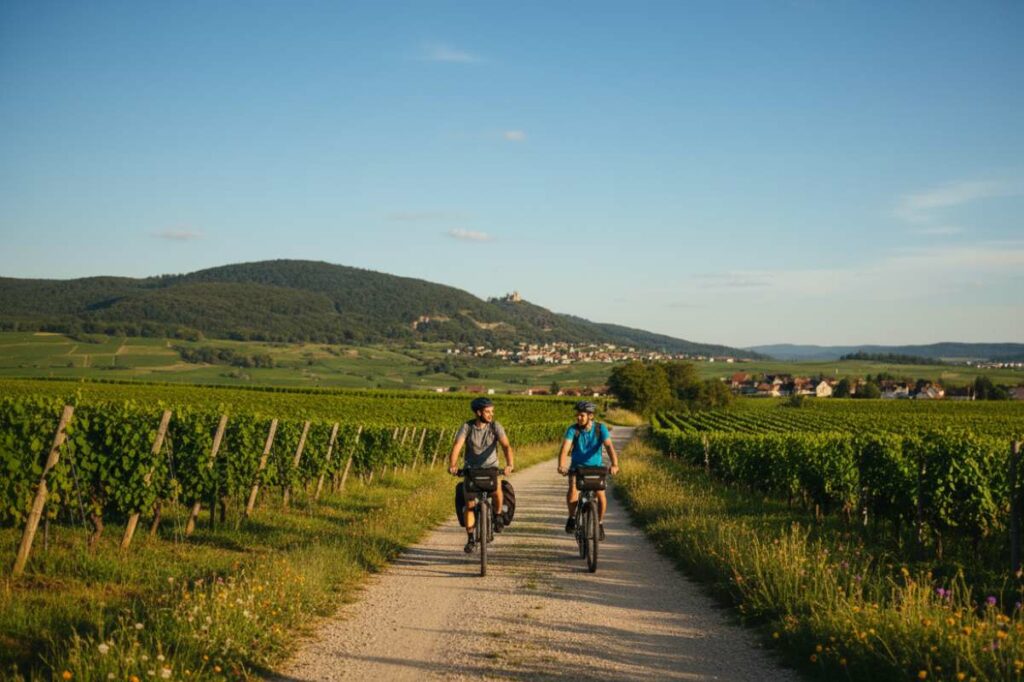
Sustainable tourism, an experience to be lived
Ecotourism is a way of traveling that combines comfort and conscience.
It’s the pleasure of staying in a preserved natural setting, meeting passionate locals, discovering regional flavors and participating in responsible tourism development.
Ecological campsites, cottage villages and nature accommodations embody this philosophy. They offer comfort, serenity and proximity to nature.
Would you like to try out sustainable tourism for your next vacation? Book your stay at a Cottage Parks campsite now!
Sustainable travel in France means choosing a form of tourism that is attentive, humane and balanced. It’s a great way to discover the country in a different way, with respect for the world around us.