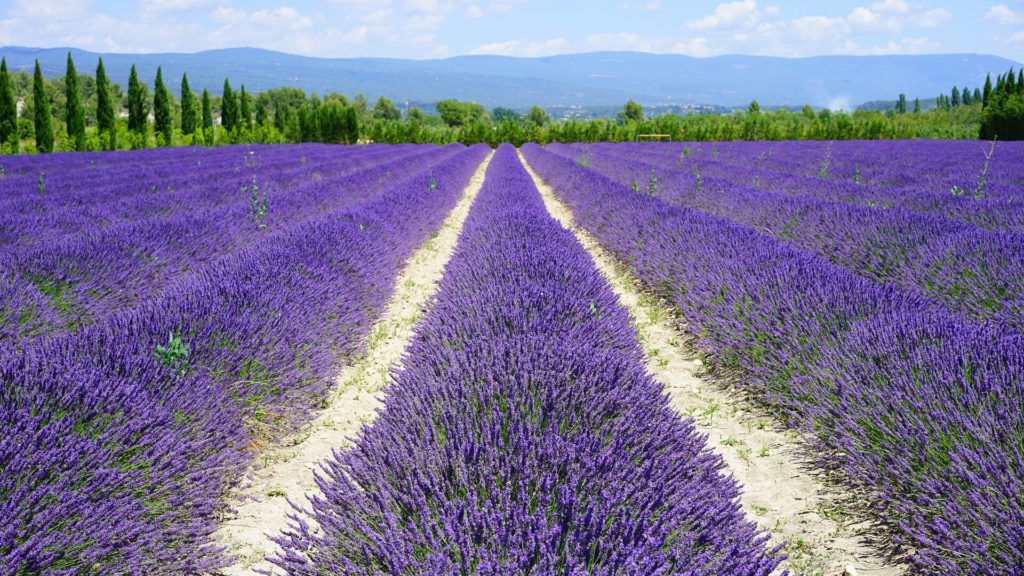



The modern world imposes a crazy pace between notifications, stress, mental fatigue… Faced with the excesses of mass tourism, slow tourism is the vital answer for travelers in search of meaning and disconnection. It’s not about doing nothing, it’s about taking control. It’s not about doing nothing, it’s about taking back control. No more running around, just quality in the heart of the countryside and activities in harmony with the environment. Ready to discover the uniqueexperience of slow travel?
Slow tourism in brief
- Travel slower to live more intensely.
- Prioritize the quality of the experience over the quantity of places visited.
- Opt for soft mobility.
- Choose destinations close to nature and unspoilt areas.
- Promote short circuits, slow food and local know-how.
- Reduce your environmental impact without sacrificing comfort.
What is slow tourism?
Understanding slow tourism means adopting a serene philosophy of life during your vacations.
Origins of slow tourism
The movement originated in Italy with slow food, in reaction to fast food. It defends local taste. Slow travel is its logical extension: slow tourism rejects fast consumption. As experts analyze, holidaymakers no longer just want to “visit”, but to “feel”.
In France,ADEME regularly issues recommendations for this practice. According to the agency, slow tourism favors responsible vacations, close to home, explored by public transport, and in-depth discovery of the territory. The sector is changing, and this emerging form of tourism is paving the way for concrete local development.
The slow travel philosophy: quality before speed
Quality comes first during these responsible stays. Slow travel is more than just transport logistics; it’s an act of intellectual resistance to modern frenzy. It refuses to treat travel as a commodity to be consumed or a list to be checked off (the famous “bucket list”), preferring the depth of immersion to the accumulation of kilometers.
By slowing down, the traveler no longer looks at the scenery, but rather inhabits it. He also accepts boredom, the better to allow the unexpected and authentic encounters to emerge. At the end of the day, giving priority to quality means ceasing to expect the world to entertain us, and starting to listen to what it really has to say. This transforms a simple journey into a lasting inner resonance.
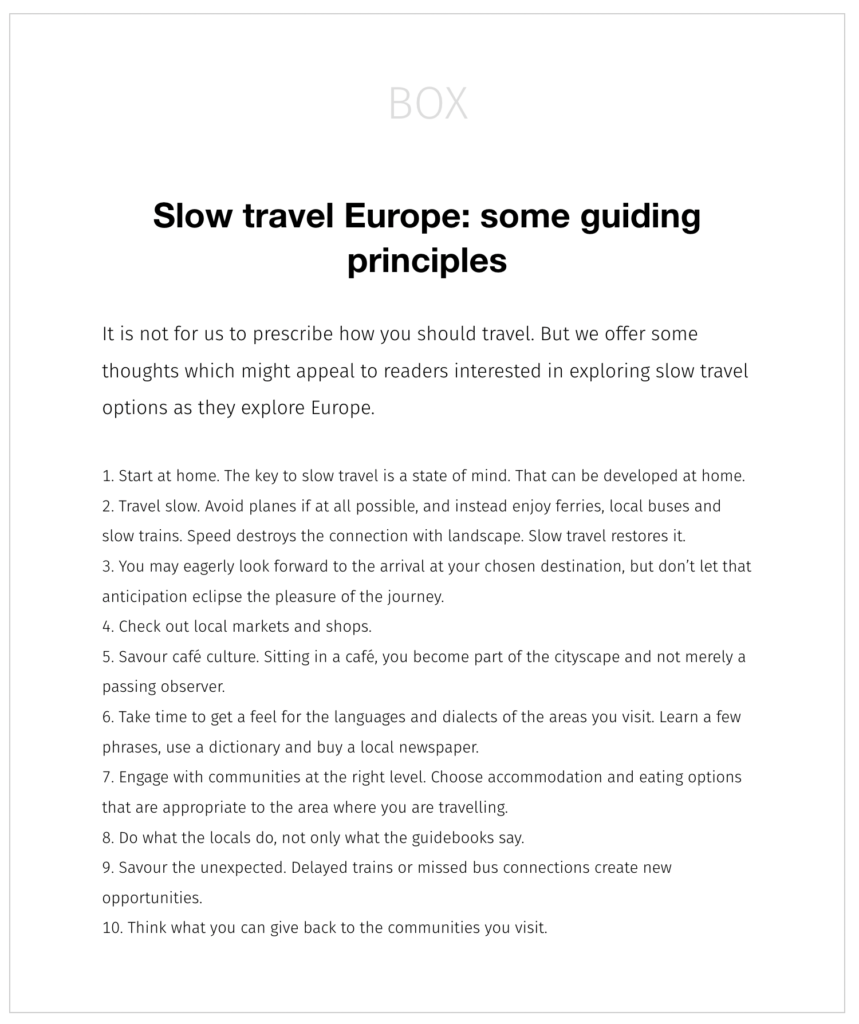
The 3 pillars of a successful slow holiday
How do we move from philosophy to practice? Slow tourism can’t be improvised, it has to be built. To guarantee true disconnection and give meaning to your trip, the experience must be based on an essential triptych.
1. Soft mobility
Transport is a key factor. Slow travel calls the car into question. The aim is soft mobility: using the train, walking and cycling. At Cottage Parks, the car stays in the parking lot. Each nature campsite can be discovered on foot or on two wheels, promoting environmentally-friendly experiences.
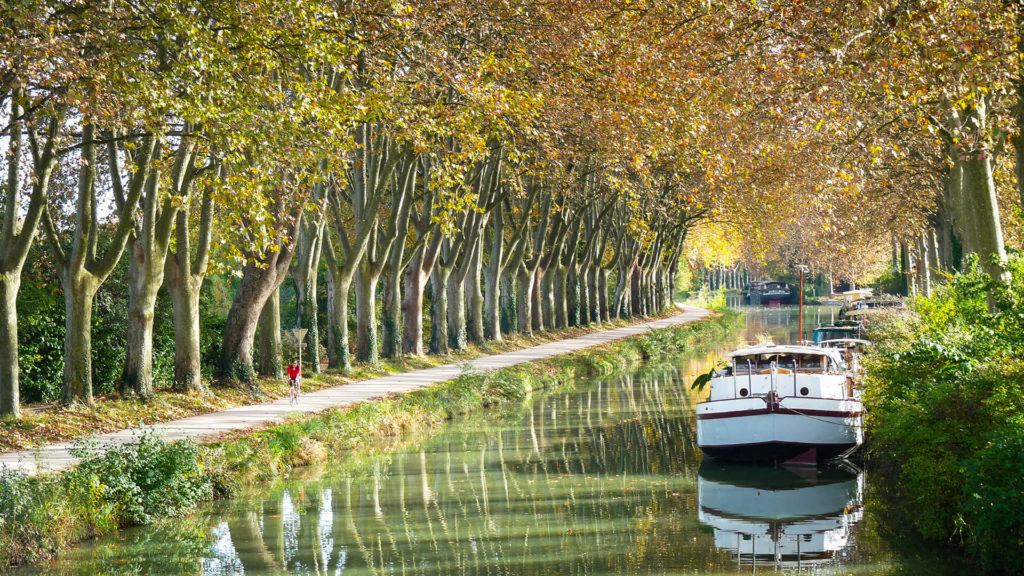
It’s a great way to reduce your carbon footprint. When you pedal along a canal, you don’t pollute and you breathe easy. That’s true sustainable tourism!
2. Immersion in nature and parks
Setting is everything. Concrete stresses, nature soothes. Slow tourism in France favors proximity to protected areas. Choosing a location on the edge of a regional nature park or nature reserve guarantees an unspoilt, authentic setting.
Reconnection is immediate. Forests, countryside and waterways become allies of well-being. Opting for an ecological campsite that blends in with the vegetation rather than replacing it is a commitment to biodiversity and respect for the land.
3. Local experience and taste
Slow tourism is lived with the senses. It invites you to savor what the region produces, in tune with the seasons. Meals focus on short circuits and local experiences, such as tasting farmhouse cheese, smelling warm bread and discovering regional specialties.
Rejecting standardization, slow tourism transforms travelers into players in the local economy, while cultivating the simple, genuine pleasure of gourmet discoveries and slow food.

What activities are available for a slow-paced vacation?
According to an Atout France study, 75-95% of people likely to visit France are already ecologically aware. Are you also tempted by activities aligned with slow tourism for your next vacation? Here are a few experiences to help you slow down:
- Yoga in nature to reconnect body and mind.
- Ornithological walks to learn patience with birds.
- Local tastings to understand the terroir.
Naps lulled by the song of the cicadas.
Cottage Parks: your slow tourism destination in France
Much more than just cottages or vacation homes, Cottage Parks is the key to reconnecting you with what’s essential.
Cottage Parks: the spirit of a slow village
Our residences truly embody the philosophy of slow tourism, not just a label. We offer a unique slow offer that combines comfort and nature. Imagine a place without cars, designed for encounters. Our concept is eco-chic: natural materials, calm and space.
Top destinations to disconnect
Head for Brittany or Corsica to unwind. On the island, time flows at nature’s pace. In Brittany, the iodized air and coastal paths will regenerate you. Further south, enjoy the pine forest of La Tamarissière. Our Cottage Parks destinations will immerse you in these soothing atmospheres for your next vacation.
Sustainable accommodation and comfort
Sustainable tourism is not uncomfortable. Our accommodations are environmentally friendly and of the highest standard. Everything, from insulation to energy-saving equipment, is designed with the discerning traveler in mind. It’s proof that you can combine pleasure and ethics in modern slow tourism.
Slow tourism is the future of slow travel in France. It responds to the need for meaning. Don’t be a victim of your vacation. Take the lead and choose to slow down. Book your stay at Cottage Parks. Your body and the planet will thank you!